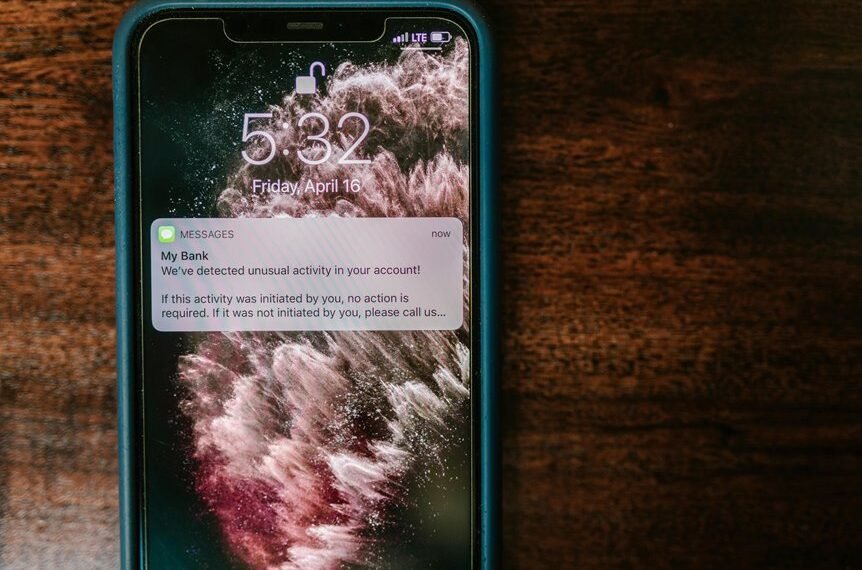
The caller review of 512-410-7883 presents a varied landscape of user experiences. Many categorize the number as a source of telemarketing scams, leading to frustration among recipients. However, some interactions have yielded useful information. This contrast prompts a closer examination of the caller’s identity and the effectiveness of strategies employed by individuals to manage unsolicited calls. Understanding these dynamics can illuminate best practices for navigating similar situations. What insights might emerge from further analysis?
Overview of 512-410-7883
The telephone number 512-410-7883 has garnered attention from various callers, prompting a closer examination of its identity and purpose.
Analysis reveals concerns regarding caller identity, as numerous reports suggest potential associations with unsolicited marketing or scams.
Effective scam detection practices are crucial for individuals receiving calls from this number, emphasizing the need for vigilance in protecting personal information and fostering informed decision-making.
User Experiences and Feedback
While many users have reported receiving calls from 512-410-7883, their experiences vary significantly, shedding light on a spectrum of perceptions surrounding this number.
Feedback analysis reveals mixed reactions, with some users expressing annoyance at unsolicited calls, while others report informative interactions.
These user experiences underscore the importance of context in interpreting feedback, highlighting the diverse implications of calls from this line.
Common Caller Identifications
Caller identifications associated with the number 512-410-7883 reveal a range of classifications, reflecting the diverse nature of interactions users experience.
Many reports categorize calls from this number as telemarketing scams or identify the callers as spam callers attempting to solicit personal information.
Such classifications highlight the need for vigilance among recipients to protect themselves from potential exploitation and unwanted disruptions.
Recommendations for Handling Unknown Calls
Handling unknown calls effectively requires a strategic approach to minimize potential risks and disruptions.
Employing screening techniques, such as caller ID verification and voicemail assessment, can help identify legitimate contacts.
Additionally, utilizing call blocking features can prevent unwanted disturbances from persistent telemarketers.
Conclusion
In conclusion, the mixed user experiences surrounding the number 512-410-7883 underscore the ongoing challenges posed by telemarketing scams. While some interactions may yield useful information, the prevalence of unsolicited calls raises a critical question: how can individuals effectively discern between legitimate inquiries and deceptive solicitations? Employing caller ID verification and call blocking features emerges as essential strategies for safeguarding personal information and minimizing disruptions in an increasingly intrusive telemarketing landscape.