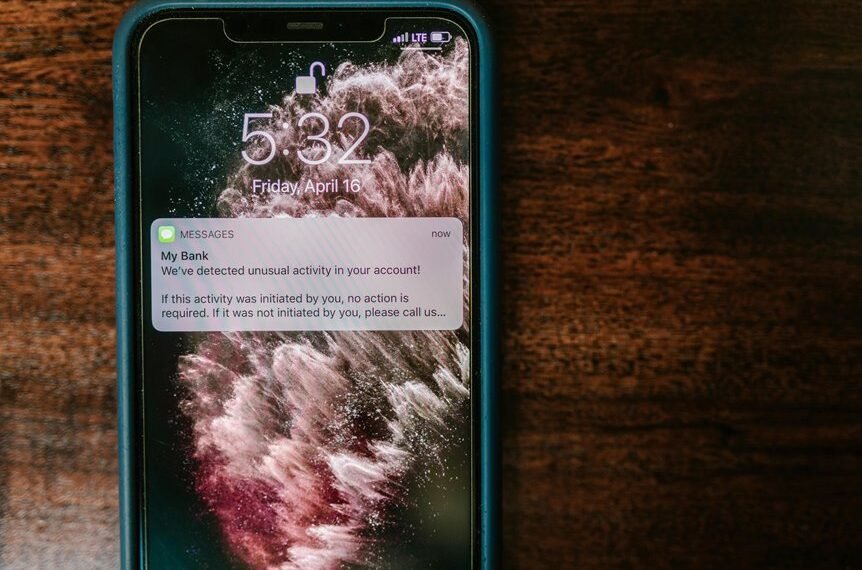
The investigation into the phone number 407-516-2474 reveals a troubling trend of unsolicited communications. Many recipients report aggressive telemarketing tactics and potential scams linked to this number. The challenge of identifying legitimate callers raises significant concerns. With the increasing frequency of intrusive calls, one must consider the broader implications for consumer safety and awareness. What strategies can be effectively implemented to combat this growing issue?
Overview of 407-516-2474
The phone number 407-516-2474 has garnered attention for its association with various reported activities.
Investigators have sought to trace the call origin and ascertain the caller identity, revealing a complex web of interactions.
This number’s reputation raises questions about its true purpose and the motivations of those behind the calls, prompting further exploration into its significance within the community.
Reported Activities and Patterns
Patterns of calls originating from 407-516-2474 reveal a troubling array of reported activities that have sparked concern among recipients.
Instances of caller identification failures and increasing spam detection alerts indicate a deliberate attempt to bypass consumer protections.
Recipients frequently describe unsolicited sales pitches and intrusive inquiries, raising questions about the legitimacy of the number and the intentions behind these communications.
Potential Risks and Scams
Although many calls from 407-516-2474 appear innocuous at first glance, a closer examination reveals significant potential risks associated with these communications.
The use of aggressive telemarketing tactics may mask underlying scams, leading individuals to unwittingly share personal information.
Effective fraud prevention strategies are essential to safeguard against such threats, as awareness of these risks can empower individuals to protect their freedoms from manipulative practices.
Recommendations for Handling Unsolicited Calls
Navigating unsolicited calls requires a strategic approach to minimize potential risks. Implementing call blocking technology serves as a proactive measure, empowering consumers to regain control over their communication channels.
Additionally, fostering consumer awareness about identifying suspicious numbers enhances personal safety. By understanding these tools and practices, individuals can effectively reduce unwanted disruptions while maintaining their freedom to communicate without fear of scams or harassment.
Conclusion
In the juxtaposition of convenience and caution, the number 407-516-2474 serves as a stark reminder of the fine line between effective communication and intrusive solicitation. While technology enables instant connections, the rise of aggressive telemarketing and potential scams casts a shadow over consumer trust. As individuals navigate this landscape of unsolicited calls, the need for vigilance and proactive measures becomes paramount, urging a collective commitment to safeguarding personal information against the growing tide of deceptive practices.