The number 216-202-8306 has garnered attention for its varied call patterns and user interactions. Many individuals have reported experiences that range from legitimate communications to potential scams. Understanding the origin of these calls is essential for assessing their credibility. Furthermore, recognizing specific warning signs can aid in safeguarding personal information. What are the implications of these findings for personal privacy and security?
Understanding the Origin of 216-202-8306
When investigating the origin of the phone number 216-202-8306, it becomes evident that understanding its associated area code and exchange is crucial.
Call analysis indicates that the number belongs to a specific region, facilitating number tracking. This information allows individuals to ascertain potential sources of communication, ultimately empowering them with the knowledge needed to make informed decisions regarding incoming calls.
User Experiences and Reports
User experiences and reports regarding the phone number 216-202-8306 reveal a range of reactions, highlighting the complexities often associated with unidentified callers.
User reviews indicate varying call frequency, with some reporting persistent attempts while others describe infrequent outreach.
These experiences underscore the diverse nature of interactions with this number, prompting individuals to evaluate their responses based on personal thresholds for communication and privacy.
Identifying Potential Red Flags
How can individuals discern the legitimacy of calls from the number 216-202-8306?
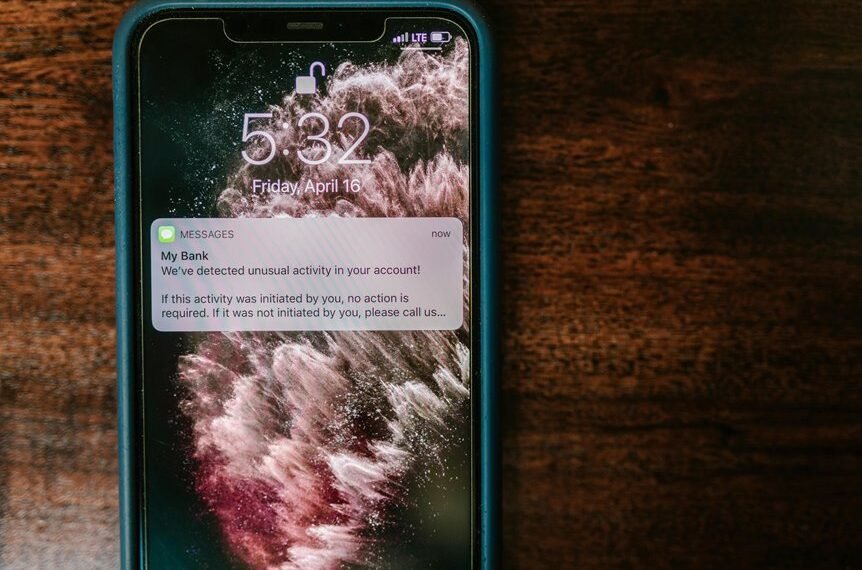
Notable red flags include high call frequency and the use of common scam tactics, such as urgent requests for personal information or financial details.
Recognizing these indicators may help individuals avoid potential scams and maintain their autonomy in communication.
Vigilance is essential in protecting oneself from deceptive practices.
Tips for Protecting Yourself From Unwanted Calls
Recognizing potential red flags in calls from numbers like 216-202-8306 sets the stage for individuals to take proactive measures against unwanted communications.
Implementing call blocking features can significantly enhance phone privacy, allowing users to filter unwanted calls effectively.
Additionally, remaining vigilant about sharing personal information can further safeguard against intrusive calls, empowering individuals to maintain their desired level of privacy and control over their communication preferences.
Conclusion
In conclusion, navigating calls from 216-202-8306 requires diligence akin to a sailor charting a course through foggy waters. Just as a sailor relies on navigational tools to avoid treacherous rocks, individuals must utilize call-blocking features and remain vigilant against potential scams. User experiences suggest a mixed landscape of legitimate and dubious communications, underscoring the importance of identifying red flags and safeguarding personal information to steer clear of unwanted disturbances in their daily lives.