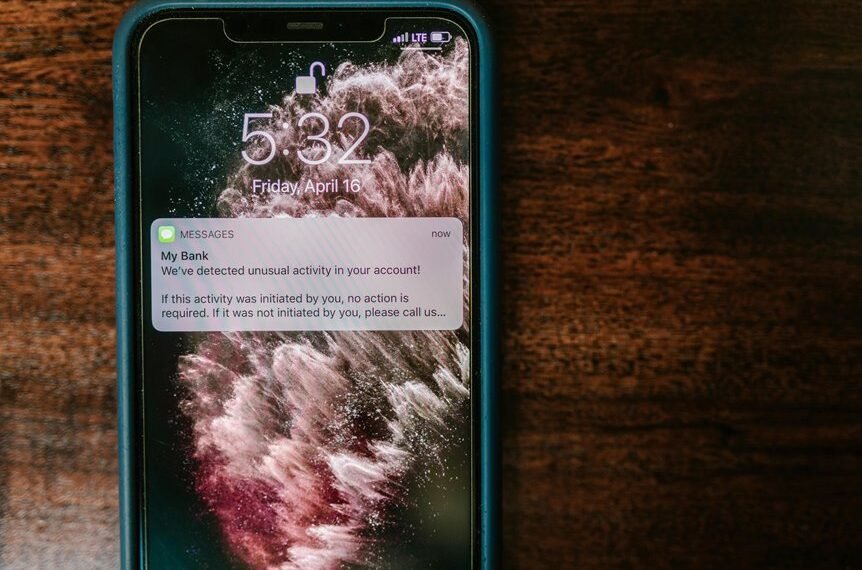
Reports from users regarding calls from 407-693-8777 have surged, raising significant concerns about unsolicited communications. Many individuals express frustration over the caller’s unclear identity and motives. Experiences range from mild annoyance to serious apprehension about potential scams. As the frequency of these calls increases, it prompts questions about the underlying issues. What should individuals know about these communications, and how can they protect themselves?
Overview of User Experiences
Numerous users have reported varied experiences with calls from the number 407-693-8777, prompting an investigation into its origin and purpose.
User reactions range from annoyance to concern, as the call frequency has increased in recent weeks. Some individuals express frustration over unsolicited communications, while others seek to understand the intent behind these persistent calls, highlighting a growing demand for transparency and accountability.
Common Themes in Reports
While users have differing opinions on the calls from 407-693-8777, several common themes emerge from the reports.
Many individuals express frustration regarding unclear caller identity and insufficient information about the purpose of the calls.
Reporting methods vary significantly; some users prefer online forums while others utilize official complaint platforms, highlighting a collective desire for transparency and accountability in communication practices.
Identifying Potential Scams
How can individuals protect themselves from potential scams associated with calls from 407-693-8777?
Recognizing scam indicators is crucial. Common caller tactics include urgent demands for personal information or financial assistance.
Legitimate organizations typically avoid high-pressure techniques. By remaining vigilant and questioning suspicious requests, individuals can safeguard their personal information and reduce the risk of falling victim to deceptive schemes.
Steps to Take if You Receive a Call
Upon receiving a call from 407-693-8777, individuals should take specific steps to assess the legitimacy of the call and protect their personal information.
First, they may consider blocking unknown numbers.
Next, if the call appears suspicious, reporting spam to relevant authorities is advisable.
These actions not only safeguard personal data but also contribute to broader efforts against fraudulent activities.
Conclusion
In the end, the incessant calls from 407-693-8777 serve as a peculiar reminder of modern communication’s double-edged sword. While technology promises connection, it often breeds confusion and unease among recipients. Ironically, the very tools designed to enhance our lives now facilitate unsolicited intrusions, leaving many to navigate a minefield of potential scams. As users grapple with these unsolicited disruptions, perhaps the true lesson lies in the necessity of vigilance amidst an age of connectivity gone awry.