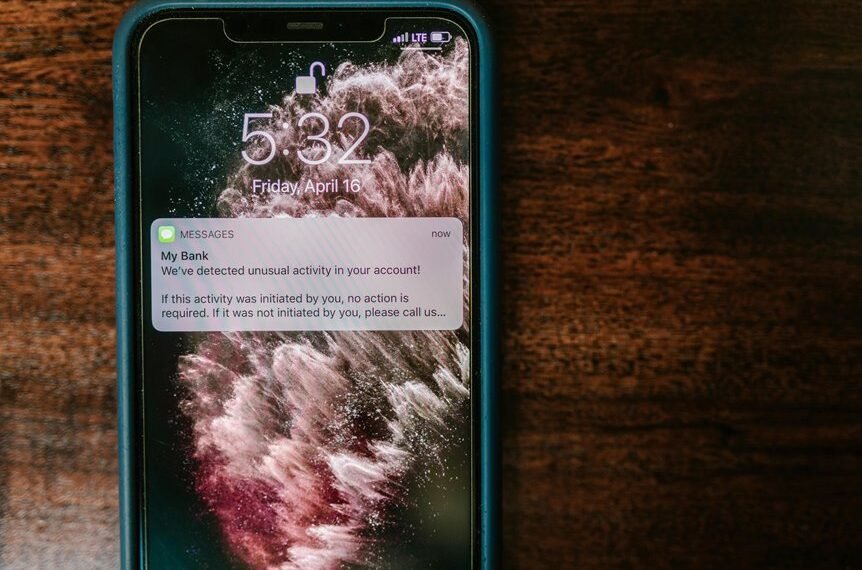
The number 581-781-7510 frequently raises concerns regarding telemarketing and potential scams. Understanding the caller ID format and recognizing the common reasons for such calls is crucial. Identifying and verifying the caller can mitigate risks. Furthermore, knowing the appropriate steps to take if unwanted calls persist is essential for maintaining communication security. What strategies are most effective in addressing these unsolicited contacts?
Understanding the Caller ID and Number Format
Although caller ID technology has evolved significantly, understanding its intricacies remains essential for effective communication.
Various caller formats, including local and international numbers, impact id verification processes. Proper recognition of these formats enhances the ability to discern legitimate calls from potential spam or fraud.
Common Reasons for Receiving Calls From 581-781-7510
Calls from the number 581-781-7510 can originate from various sources, each serving distinct purposes. Frequently, these calls employ telemarketing tactics aimed at promoting products or services.
Additionally, there may be instances of scam alerts, where the caller seeks to extract personal information or financial details. Understanding these motivations is crucial for recipients seeking to maintain their privacy and autonomy in communications.
How to Identify and Verify the Caller
Identifying and verifying a caller requires a systematic approach to discern the legitimacy of incoming communications.
Utilizing caller verification methods, individuals can assess the credibility of 581-781-7510. Number tracing services can provide essential information about the caller’s origin, enhancing the verification process.
Steps to Take if You Suspect Unwanted Calls
When faced with suspected unwanted calls, it is important to take proactive measures to mitigate potential risks.
Individuals should consider blocking unwanted numbers through their phone’s settings or third-party applications. Additionally, reporting spam to appropriate authorities can help reduce the prevalence of such calls.
These steps not only protect personal privacy but also contribute to a broader effort against unsolicited communication.
Conclusion
In conclusion, receiving a call from 581-781-7510 may seem coincidental, yet it often signals potential telemarketing or scam activity. By employing caller ID apps and tracing services, individuals can navigate the uncertainty surrounding such calls. Interestingly, the decision to block or report the number can lead to a surprising sense of control over unsolicited communications. Ultimately, being informed and proactive enhances one’s ability to manage unexpected phone interactions effectively.