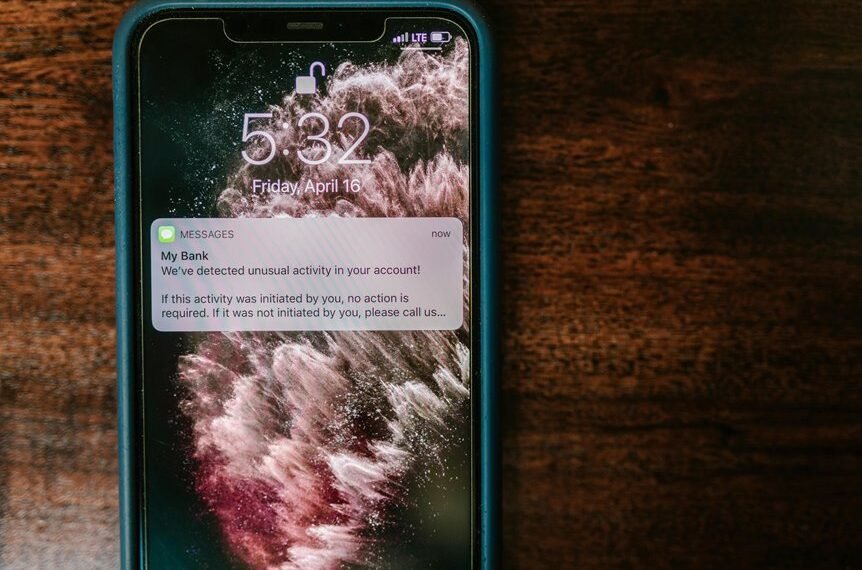
The phone number 631-605-6587 has emerged as a point of contention among users, sparking curiosity about its true nature. Reports vary widely, with some individuals sharing positive experiences while others recount unsolicited communications. This dichotomy prompts a closer examination of the caller’s identity and intent. Is this number linked to legitimate outreach, or does it fall within the realm of scams? Understanding these nuances may prove crucial for those navigating unsolicited interactions.
Overview of 631-605-6587
The phone number 631-605-6587 has garnered attention as part of various inquiries into its origin and usage.
Investigating caller origins reveals a complex phone number history, suggesting varied geographic and demographic ties.
This number’s significance raises questions about its role in communication trends, prompting a deeper understanding of how individuals connect and share information in an increasingly digitized society.
Common Reports and Experiences
Numerous reports and experiences associated with the phone number 631-605-6587 indicate a pattern of mixed interactions.
Caller experiences vary significantly, with some individuals reporting friendly exchanges while others describe unsolicited inquiries.
Analyzing report trends reveals a notable division among users, raising questions about the nature of the calls.
This divergence highlights the need for further investigation into the motivations behind these communications.
Identifying the Caller: Legitimate or Scam?
How can one discern whether the caller from 631-605-6587 is a legitimate contact or a potential scam?
Employing caller identification methods, such as reverse phone lookup services, can provide insights into the number’s origin.
Additionally, utilizing scam detection techniques, like analyzing caller behavior and verifying claims, may aid in determining the authenticity of the interaction.
Ultimately, this approach empowers individuals to protect their privacy and freedom.
Tips for Managing Unwanted Calls
Managing unwanted calls effectively requires a strategic approach beyond identifying the legitimacy of the caller.
Utilizing call blocking features can significantly reduce disturbances, while employing caller ID aids in recognizing suspicious numbers. Individuals should also consider registering their numbers with national do-not-call lists, fostering personal freedom from intrusive solicitations.
Analyzing patterns of unwanted calls can further inform proactive measures against these interruptions.
Conclusion
In the realm of phone communications, 631-605-6587 remains a double-edged sword, with experiences ranging from cordial to questionable. As users navigate the murky waters of this caller’s identity, it becomes essential to discern the truth behind the ringing phone. With the potential for both genuine connections and unwanted solicitations, individuals are urged to remain vigilant. After all, when it comes to protecting one’s communication safety, it’s better to be safe than sorry.