The call from 689-233-1042 has raised numerous safety concerns due to its association with unsolicited communications. These calls may expose individuals to various risks, including scams and identity theft. Understanding the potential dangers is crucial. Moreover, verifying the legitimacy of such unknown numbers is a necessary step in safeguarding personal information. As the discussion unfolds, it becomes essential to explore effective strategies for ensuring privacy during phone interactions.
Overview of 689-233-1042
The phone number 689-233-1042 has garnered attention due to its association with various calls, raising concerns about its legitimacy and safety.
Caller identification methods have been employed to discern the identity of the caller, while phone number tracing techniques are utilized to track the source.
These measures aim to empower individuals seeking transparency regarding unsolicited communications, fostering a sense of autonomy in their interactions.
Potential Risks Associated With Unknown Calls
Unknown calls, such as those from 689-233-1042, pose significant risks to individuals.
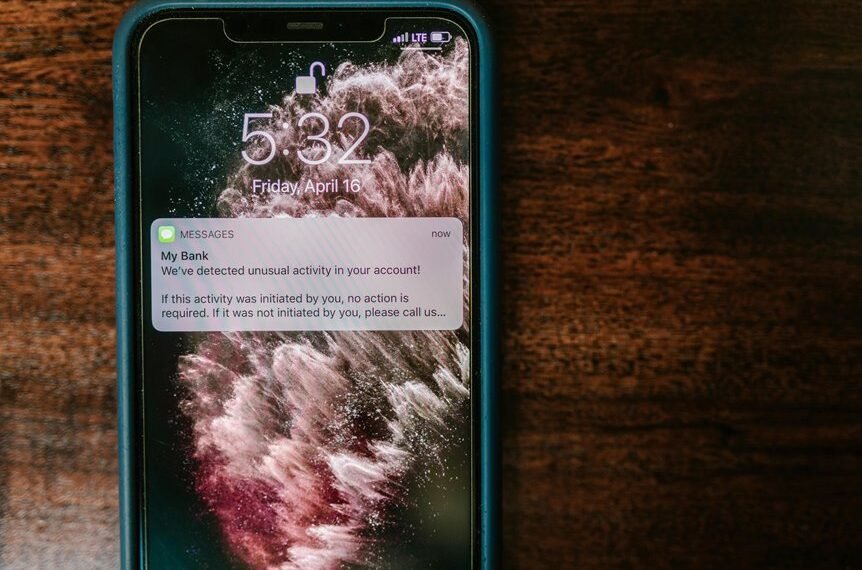
These unsolicited communications can lead to scams, prompting urgent scam alerts from authorities. Victims may unknowingly share personal information or financial details, resulting in identity theft.
To mitigate these dangers, utilizing call blocking features is essential, empowering individuals to maintain their privacy and safeguard against potential threats.
How to Verify the Legitimacy of Unknown Numbers
When faced with a call from an unfamiliar number like 689-233-1042, individuals must take proactive steps to verify its legitimacy.
Effective call screening practices include searching the number online and checking for user reports.
If suspicion arises, number blocking can prevent further contact.
Tips for Protecting Your Privacy During Phone Calls
While navigating phone calls, individuals should prioritize their privacy by implementing several key strategies.
Adjusting privacy settings on devices can limit data sharing, while utilizing call screening helps filter unwanted contacts.
Additionally, avoiding sharing personal information during calls can further protect privacy.
Conclusion
In conclusion, the call from 689-233-1042 raises significant red flags regarding potential scams and unsolicited communications. Research indicates that nearly 30% of all phone calls are now robocalls, underscoring the importance of vigilance when dealing with unknown numbers. By utilizing verification methods and employing protective measures, individuals can safeguard their personal information and reduce the risk of falling victim to identity theft. Awareness and proactive strategies are essential in navigating the increasingly complex landscape of phone communications.