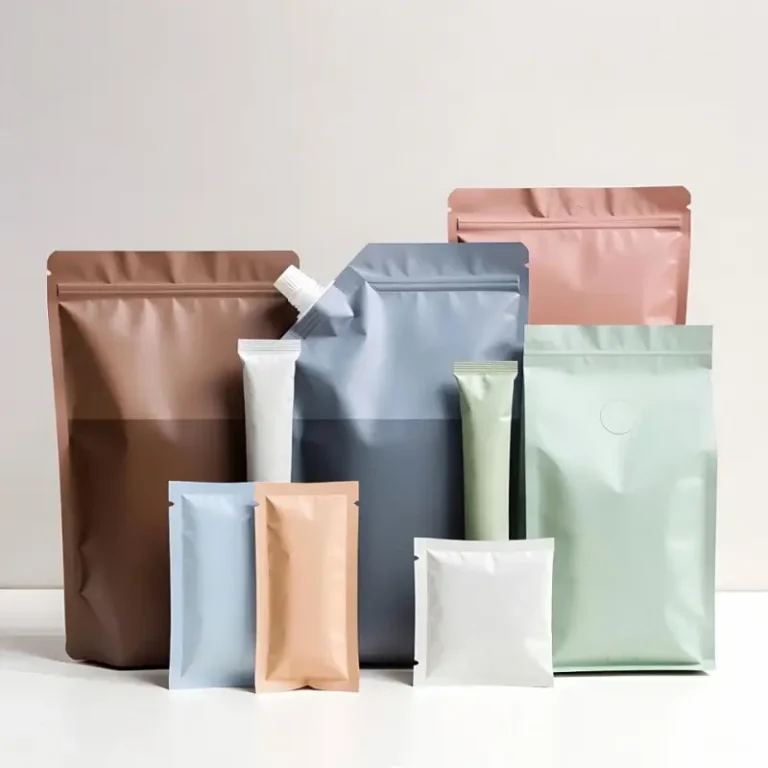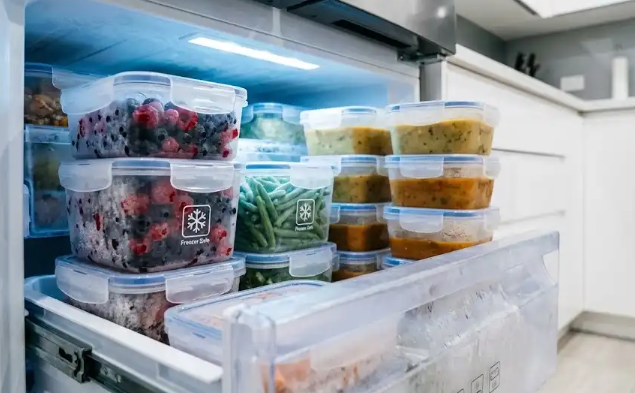
Choosing the right storage container is essential for maintaining product quality, improving operational efficiency, and delivering a positive customer experience. Whether a business manufactures food products, cosmetics, nutritional supplements, household goods, or industrial materials, selecting suitable plastic storage containers helps protect products throughout storage, transportation, and retail display.
Modern plastic containers are available in a wide variety of sizes, shapes, and materials, making them one of the most versatile packaging solutions on the market. However, not every container is suitable for every application. Factors such as product compatibility, closure type, durability, and storage conditions all influence packaging performance.
Understanding these considerations allows businesses to select containers that preserve product integrity while supporting long-term brand success.
Why Plastic Storage Containers Are Widely Used
Plastic containers have become an industry standard because they combine functionality with affordability.
Their popularity comes from several practical advantages, including:
- Lightweight construction
- Excellent durability
- Cost-effective manufacturing
- Moisture resistance
- Easy transportation
- Flexible design options
- Compatibility with various closure systems
These benefits make plastic containers suitable for businesses ranging from small startups to large-scale manufacturers.
See also: Why Knit Polo Shirts Are Becoming a Must-Have in Modern Apparel Collections
Understand Your Product Requirements
The first step in choosing the right container is understanding the characteristics of the product being stored.
Different products require different levels of protection.
Dry Products
Powders, spices, herbs, supplements, and snacks benefit from airtight containers that help reduce moisture exposure.
Cosmetic Products
Creams, lotions, gels, and skincare products require containers that resist leakage while maintaining product stability.
Household Products
Cleaning solutions, detergents, and maintenance products often require durable containers capable of handling frequent use and transportation.
Selecting packaging that matches the product’s characteristics helps maintain quality throughout its shelf life.
Choose the Appropriate Material
Not all plastic containers are manufactured from the same type of material.
Common packaging materials include:
- PET (Polyethylene Terephthalate)
- HDPE (High-Density Polyethylene)
- PP (Polypropylene)
Each material offers unique benefits related to strength, clarity, flexibility, and chemical resistance.
Businesses should select materials based on product compatibility, storage requirements, and regulatory standards within their industry.
Select the Right Container Size
Choosing an appropriate container size improves both product protection and customer convenience.
Important considerations include:
- Product volume
- Filling efficiency
- Shipping costs
- Shelf presentation
- Consumer usability
Using containers that closely match product volume helps reduce unnecessary air space while improving overall packaging efficiency.
Secure Closure Systems Matter
A high-quality container is only effective when paired with a reliable closure.
Proper lids help protect products from:
- Moisture
- Dust
- Air exposure
- Accidental spills
- External contamination
Depending on the product category, businesses may choose:
Screw Caps
Ideal for everyday consumer products.
Flip-Top Closures
Suitable for products requiring convenient access.
Child-Resistant Lids
Frequently used for products requiring additional safety measures.
The correct closure system enhances product protection while improving customer confidence.
Evaluate Durability for Transportation
Packaging should withstand handling during manufacturing, shipping, warehousing, and retail distribution.
Businesses should evaluate:
- Impact resistance
- Wall thickness
- Stackability
- Compression strength
- Transportation conditions
Durable containers reduce product damage, returns, and replacement costs throughout the supply chain.
Packaging Supports Brand Identity
Packaging serves as an extension of a company’s brand.
Well-designed containers combined with professional labels create stronger shelf appeal and improve customer recognition.
Many businesses choose Custom Plastic Jars to create packaging that reflects their branding while providing practical storage solutions for a wide variety of products.
Custom packaging also helps products stand out in competitive retail environments.
Sustainability Is Becoming More Important
Consumers increasingly expect businesses to adopt environmentally responsible packaging practices.
Many manufacturers now offer plastic containers that support sustainability through:
- Recyclable materials
- Lightweight designs
- Reduced plastic usage
- Reusable packaging options
- Improved manufacturing efficiency
Responsible packaging choices can strengthen brand reputation while supporting long-term environmental goals.
Companies such as King Custom Cones recognize that balancing functionality, product protection, and sustainability is becoming increasingly important in today’s packaging industry.
Common Mistakes to Avoid
Selecting storage containers without careful planning can lead to product quality issues and unnecessary costs.
Avoid these common mistakes:
- Choosing the wrong container size
- Ignoring product compatibility
- Using poor-quality closures
- Overlooking transportation requirements
- Focusing only on price instead of performance
Taking time to evaluate packaging needs helps businesses avoid costly problems later.
Frequently Asked Questions
Why are plastic storage containers popular for commercial packaging?
They are lightweight, durable, affordable, and available in numerous sizes and designs suitable for different industries.
Which industries commonly use plastic storage containers?
Food production, cosmetics, pharmaceuticals, supplements, household products, and industrial manufacturing all rely on plastic containers.
Are plastic storage containers recyclable?
Many are recyclable, depending on the type of plastic and local recycling facilities.
How do I choose the right container size?
Consider product volume, shipping efficiency, customer convenience, and the amount of headspace needed to maintain product quality.
Conclusion
Selecting the right plastic storage containers requires careful consideration of product compatibility, durability, closure systems, and branding objectives. Businesses that invest in high-quality packaging benefit from improved product protection, greater operational efficiency, and enhanced customer satisfaction.
As packaging technologies continue to advance, plastic storage containers remain a practical and versatile solution for companies seeking reliable, cost-effective packaging that supports both product performance and long-term business growth.