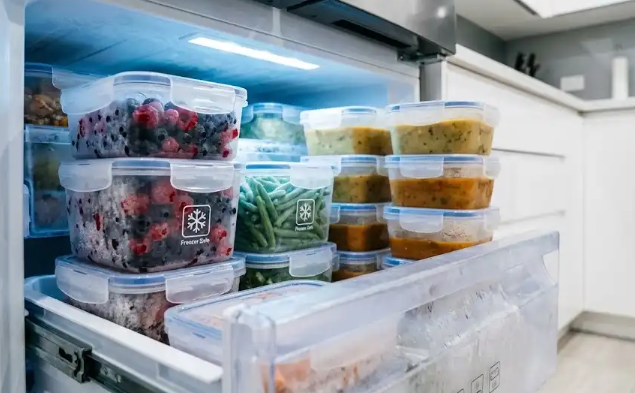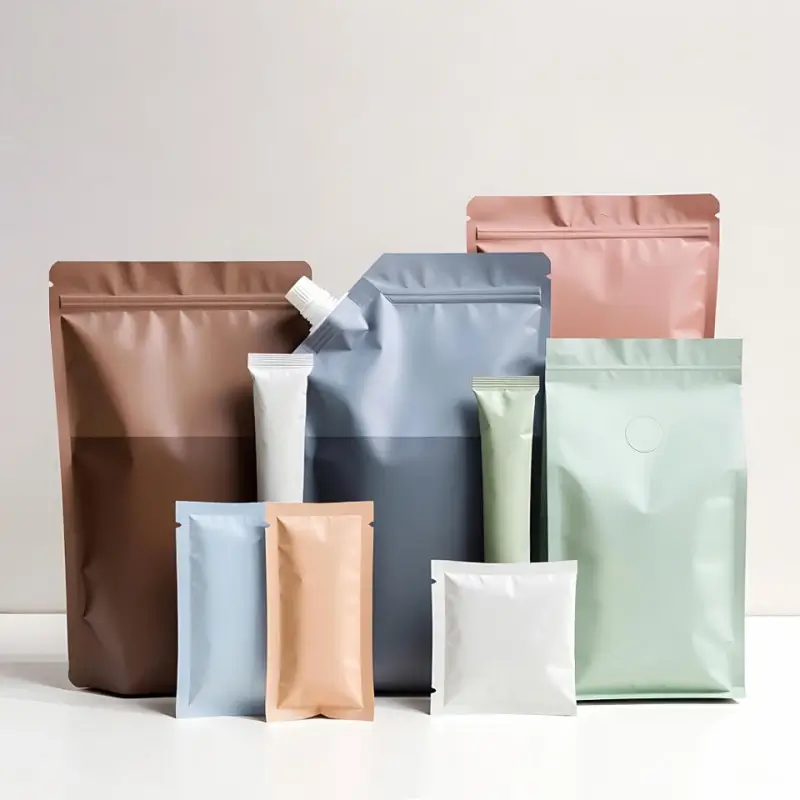
Packaging has changed significantly over the years. Businesses once relied heavily on rigid containers, paper bags, glass jars, metal cans, and standard plastic packaging to protect and present their products. While these packaging formats continue to serve important purposes, changing consumer expectations and advancements in packaging technology have encouraged brands to consider alternative solutions.
Today, flexible packaging plays a major role in industries ranging from food and beverages to health supplements and pet products. Among the many flexible packaging options available, Flat Bottom Pouches have attracted considerable attention because they combine the stability of box-style packaging with the efficiency of flexible materials.
As businesses evaluate packaging strategies, many find themselves comparing flat bottom pouches with traditional packaging formats. Understanding the strengths and limitations of each option can help brands make informed decisions that support product performance, customer satisfaction, and long-term growth.
The Evolution of Product Packaging
Packaging has always served several important functions. It protects products, provides information, supports transportation, and helps brands communicate with consumers.
Historically, rigid packaging formats dominated the market because they offered durability and structural strength. Glass jars, metal cans, cardboard boxes, and plastic containers became standard solutions for many industries.
However, market demands have changed. Businesses now seek packaging that balances protection, branding opportunities, storage efficiency, and transportation cost management.
Flexible packaging solutions emerged as a response to these evolving requirements.
As technology improved, flexible packaging formats became capable of providing stronger barrier protection, better printing quality, and greater design flexibility than ever before.
Understanding Flat Bottom Pouch Packaging
The design of Flat Bottom Pouches combines features found in both traditional and flexible packaging systems.
Unlike standard bags that may struggle to stand upright, flat bottom pouches feature a reinforced base that allows the package to remain stable during display and storage.
The structure typically includes side gussets and multiple printable panels, creating a box-like appearance while maintaining the advantages of flexible materials.
This hybrid design has made flat bottom packaging increasingly popular among businesses that want premium product presentation without the limitations often associated with rigid containers.
Comparing Shelf Presentation
Shelf presentation remains one of the most important factors influencing packaging selection.
Consumers are often exposed to numerous competing products within the same category. Packaging that attracts attention and communicates value effectively can influence purchasing decisions.
Traditional packaging formats such as cans and boxes provide strong shelf presence because they maintain their shape consistently.
However, Flat Bottom Pouches offer similar stability while providing a more modern appearance.
Their upright design helps products remain visible on retail shelves, while the multiple printable surfaces create opportunities for stronger branding and product communication.
Many businesses find that flat bottom packaging delivers a premium appearance that aligns well with contemporary retail environments.
Space Utilization and Storage Efficiency
Storage efficiency affects businesses throughout the supply chain.
Packaging influences warehouse organization, transportation planning, retail shelf management, and consumer storage convenience.
Traditional rigid containers often occupy more space because their shape remains fixed whether they are empty or filled.
Flexible packaging provides advantages because unfilled packaging materials require significantly less storage space before production.
Once filled, flat bottom pouches maintain a stable shape while still offering greater efficiency than many rigid alternatives.
This characteristic can help businesses optimize warehouse operations and reduce storage costs.
Consumers also benefit because flexible packaging often fits more easily into cabinets, pantries, and storage areas.
Transportation and Shipping Considerations
Transportation costs continue to influence business profitability across nearly every industry.
The weight and dimensions of packaging directly affect shipping expenses, fuel consumption, and logistical efficiency.
Many traditional packaging formats rely on heavier materials such as glass, metal, or thick plastic.
While these materials provide durability, they can increase transportation costs throughout the supply chain.
Flat Bottom Pouches generally require less material and weigh considerably less than many rigid packaging alternatives.
This reduced weight can improve transportation efficiency and support lower shipping costs.
For businesses operating in competitive markets, packaging-related cost savings can contribute to stronger overall performance.
Branding and Product Communication
Modern packaging serves as a powerful marketing tool.
Consumers frequently form opinions about products based on packaging design before they ever experience the contents.
Traditional packaging formats often provide limited printable surface areas, particularly when labels occupy only part of the package.
Flat bottom pouches offer multiple panels that can be used for branding, product descriptions, nutritional information, certifications, preparation instructions, and marketing messages.
This expanded design space gives brands greater freedom to communicate with customers.
Strong packaging design helps reinforce brand identity and improve recognition over time.
Businesses that work with packaging specialists such as Contipack Inc often focus on maximizing these branding opportunities through strategic packaging design.
Product Protection Performance
Product protection remains one of the most important functions of packaging.
The best packaging solution depends largely on the specific requirements of the product being packaged.
Traditional packaging formats continue to offer advantages for products that require exceptional structural protection.
Glass containers, for example, provide excellent barrier properties for certain products.
However, modern flexible packaging materials have evolved significantly.
Many flat bottom pouches incorporate advanced barrier technologies that help protect products from moisture, oxygen, light, and external contaminants.
These protective features make them suitable for a wide range of food, beverage, nutritional, and specialty products.
Consumer Convenience
Convenience has become a major purchasing consideration.
Consumers increasingly prefer packaging that is easy to handle, store, open, and reseal.
Traditional packaging formats sometimes create challenges due to their size, weight, or disposal requirements.
Flexible pouch packaging often provides a more user-friendly experience.
Many Flat Bottom Pouches include resealable closures that help maintain product freshness after opening.
The lightweight design also makes products easier to transport and store within the home.
Positive packaging experiences can contribute to customer satisfaction and encourage repeat purchases.
Sustainability Considerations
Environmental concerns continue to shape packaging decisions across industries.
Businesses are under growing pressure to reduce waste, improve material efficiency, and support responsible packaging practices.
Many traditional packaging materials require substantial amounts of raw materials and energy during production and transportation.
Flexible packaging often uses fewer resources while delivering comparable product protection.
Because flat bottom pouches generally require less material than rigid alternatives, they can contribute to improved resource efficiency.
Many packaging manufacturers are also developing recyclable and environmentally conscious material options to address changing sustainability expectations.
Although sustainability strategies vary among organizations, packaging efficiency remains an important area of focus.
See also: Unlock Lucrative Opportunities in the Booming Trade Business
Industry Applications
The versatility of flat bottom packaging has contributed significantly to its widespread adoption.
Coffee brands frequently use this format because it supports product freshness while providing excellent shelf presentation.
Food manufacturers package snacks, cereals, dried fruits, baking ingredients, and specialty products in flat bottom pouches.
Pet food companies appreciate the format’s stability and storage efficiency.
Health and wellness brands use flat bottom packaging for supplements, protein powders, and nutritional products.
The ability to accommodate diverse product categories highlights the adaptability of this packaging format.
Why Many Brands Are Making the Switch
Businesses constantly evaluate packaging performance based on cost, functionality, consumer preferences, and operational efficiency.
While traditional packaging formats continue to play an important role, many companies are finding that flexible packaging better aligns with modern market demands.
Flat bottom pouches offer an attractive balance between presentation and practicality.
They provide stability, branding opportunities, transportation efficiency, and consumer convenience within a single packaging format.
As competitive pressures increase, businesses are increasingly willing to adopt packaging solutions that support multiple objectives simultaneously.
Future Outlook for Flexible Packaging
Industry trends suggest that flexible packaging will continue expanding across numerous product categories.
Advances in printing technology, material science, and packaging engineering are making flexible solutions more capable than ever before.
Businesses increasingly value packaging formats that support efficiency while maintaining strong product presentation.
Flat Bottom Pouches are well positioned to remain a popular choice because they address many of the challenges associated with traditional packaging systems.
Their combination of functionality and visual appeal aligns with the needs of both businesses and consumers.
Conclusion
Choosing between traditional packaging formats and modern flexible packaging requires careful consideration of product requirements, branding goals, transportation costs, and consumer expectations.
While traditional containers continue to serve important purposes, Flat Bottom Pouches offer advantages that many businesses find difficult to ignore. Their stable structure, efficient use of materials, strong branding potential, and consumer-friendly design make them a practical solution for a wide range of industries.
As packaging requirements continue to evolve, businesses that work with experienced packaging providers such as Contipack Inc can develop packaging strategies that balance product protection, operational efficiency, and market visibility. The continued growth of Flat Bottom Pouches reflects their ability to meet the changing demands of modern commerce.