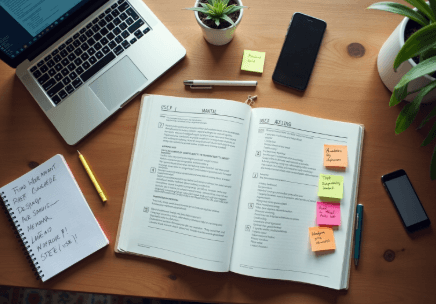
Writing a manual often feels like an incessant chore. You build a great product. You ship it. Then the support emails start flooding your inbox. Most people ignore the manual because it is too long or too hard to read. That is a problem for your team and your users. Good documentation should save time. It should make your software look professional. If your guide is messy, people might think your product is messy too.
Know Who Is Reading
You need to think about the person on the other side of the screen. Are they experts? Are they beginners? Most users just want to solve a quick problem. They do not want to read a book. They want to find a button and fix an error. Keep your language simple. Speak to them like a person. Avoid technical jargon that confuses people. If you explain a complex task, break it down into tiny steps.
Visuals Are Not Optional
A wall of text is scary. Nobody likes it. You should use screenshots for every major step. A picture shows exactly what the user should see on their monitor. But do not just dump images into a document. Mark them up. Use arrows and boxes to highlight specific menus. This is where design documentation tools become your best friend. They help you organise these images so they make sense. When you show rather than tell, users learn faster.
Structure for Scanning
People scan. They do not read every word from top to bottom. Use clear headings that describe exactly what is in the section. It is more direct. Use bullet points for lists. Use numbered steps for processes. Short paragraphs are better than long ones. If a paragraph looks like a brick, people will skip it. You want white space. White space gives the eyes a rest.
See also: Trusted Business Helpline 0800-300-9069 Verified Tech Service
Maintain One Source of Truth
Updating manuals is the hardest part of software development. You change a feature (but suddenly your PDF is wrong). Your website is wrong. Your help file is wrong. This creates a huge mess. You need a way to manage everything from one place. This is why smart teams use design documentation tools to handle the heavy lifting. You should be able to click one button and update your web help, your PDF, and your CHM files all at once. It keeps your brand consistent and saves your sanity.
The Dr.Explain Advantage
Dr.Explain can handle the boring parts for you. The tool actually analyses your software and automatically captures windows. It adds the bubbles and the lines for you. You just add the text. It is fast. It is intuitive. You get a professional look without spending weeks on formatting. You can focus on your product while the company handles the documentation.
Testing Your Guide
Before you publish, let someone else try it. Give the manual to a person who has never used your software. Watch them. Do they get stuck? If they do, your manual needs work. A good manual acts as a silent support agent. It works while you sleep. It reduces the number of tickets your team has to answer. If your documentation is clear, your customers will stay happy. They will feel empowered. That is the goal of every great user guide.