Yard renovation projects often begin with clearing out what is no longer needed before new landscaping features can be installed. Overgrown brush, unwanted vegetation, old garden beds, damaged fencing, and excess soil all need to be removed to prepare the property for grading, planting, or hardscape work. What many homeowners discover early in the process is that outdoor projects can generate far more debris than expected.
Managing brush and soil removal efficiently helps keep yard renovations organized, reduces delays, and creates a cleaner work environment throughout the project.
Why Yard Renovations Produce Large Amounts of Debris
Even relatively modest landscaping projects can create significant waste. Removing shrubs, small trees, sod, roots, and overgrown vegetation quickly produces large piles of organic material. Once excavation or grading begins, excess soil adds another layer of volume and weight.
Unlike indoor renovation debris, outdoor materials are often bulky and difficult to stack efficiently. Brush can spread across large sections of the yard, while loose soil can become messy and difficult to manage during wet conditions.
Because these materials accumulate rapidly, planning for removal early helps prevent the project area from becoming overcrowded.
Starting with a Clear Removal Strategy
Before demolition or clearing begins, homeowners benefit from establishing a plan for where debris will go and how it will be removed. Without a strategy, piles of brush and soil may end up scattered throughout the property, making it harder to move equipment and continue work efficiently.
Many yard renovation projects operate more smoothly when a centralized collection area is designated from the start. This gives contractors or homeowners a consistent location for depositing debris as work progresses.
A defined removal system helps maintain better organization across the entire property.
Separating Brush From Soil
Brush and soil are handled differently during disposal, so keeping these materials separated whenever possible often improves efficiency. Organic debris such as branches, leaves, shrubs, and roots tends to be bulky but lightweight, while soil becomes extremely heavy even in smaller quantities.
Combining these materials into one large pile can complicate transportation and disposal logistics later. By maintaining separate collection zones, homeowners make it easier to manage each material type appropriately throughout the project.
This separation also helps prevent unnecessary rehandling later in the cleanup process.
Managing Debris During Demolition and Clearing
The initial clearing phase of a yard renovation usually creates the largest surge of debris. Old landscaping features, damaged retaining walls, unwanted vegetation, and buried roots may all need to be removed within a short period of time.
Continuous debris removal during this stage helps maintain open workspace and prevents the property from becoming difficult to navigate. Allowing brush piles to sit too long can slow progress and make it harder to access active work areas.
Removing materials steadily as they are generated supports smoother workflow throughout the renovation.
Planning for Soil Removal and Excavation
Excavation and grading often generate more soil than homeowners expect. Even small adjustments to yard elevation or drainage can create large quantities of displaced earth. Because soil is extremely dense, disposal requires careful planning.
Homeowners often underestimate how quickly soil piles grow during excavation work. Keeping excavation areas organized and designating a separate location for excess dirt helps maintain better control over the project.
Proper planning also helps avoid unnecessary movement of heavy materials later in the process.
Maintaining Access Around the Property
Yard renovations require consistent movement of tools, equipment, and materials throughout the property. Large piles of brush or soil can quickly block pathways, driveways, and staging areas if they are not managed carefully.
Maintaining clear access routes is especially important when using wheelbarrows, compact equipment, or delivery vehicles. Organized debris handling helps prevent delays caused by obstructed work zones.
Keeping pathways open also improves overall safety during the project.
Using Centralized Disposal Solutions
For larger yard renovation projects, centralized disposal solutions help simplify debris management. Having one dedicated location for waste containment reduces clutter and keeps organic materials from spreading across the property.
Homeowners working through extensive outdoor cleanups may coordinate with providers such as Temporary Dumpster alongside local disposal services to help manage brush, landscaping debris, and related renovation waste more efficiently.
Centralized disposal supports cleaner work areas and reduces the amount of handling required throughout the project.
Accounting for Weather Conditions
Outdoor debris management is heavily affected by weather. Rain can turn soil piles into muddy obstacles, while wind can scatter leaves, branches, and lightweight materials across neighboring properties.
Many homeowners and contractors schedule major clearing work during favorable weather windows whenever possible. Covering certain materials or consolidating debris regularly also helps reduce weather-related disruptions.
Preparing for environmental conditions helps maintain cleaner and more manageable renovation sites.
Supporting Safety During Yard Work
Brush piles, exposed roots, and uneven soil areas can create tripping hazards during active landscaping projects. Sharp branches and hidden debris may also increase the risk of injury when moving materials manually.
Frequent cleanup and organized staging areas help reduce these hazards and create safer conditions for both workers and homeowners. Keeping tools and debris separated further improves visibility and accessibility around the site.
A cleaner workspace generally leads to a more efficient and safer project overall.
Preparing for the Installation Phase
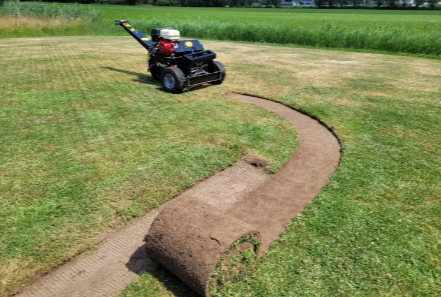
Once brush and soil removal are complete, the yard becomes much easier to evaluate and prepare for new landscaping features. Grading, planting, irrigation installation, patios, retaining walls, and sod placement all proceed more smoothly when debris has already been removed efficiently.
A well-managed cleanup process helps create a clearer transition from demolition to installation, allowing the renovation to move forward without unnecessary delays.
Proper debris management early in the project supports better results during the finishing stages.
Managing brush and soil removal is a major part of successful yard renovations. By separating materials, maintaining clear access routes, and planning disposal early, homeowners can keep outdoor projects more organized and manageable from beginning to end.
When debris removal is treated as an active part of the renovation process rather than an afterthought, landscaping projects tend to move more efficiently while creating cleaner and safer work environments throughout the property.